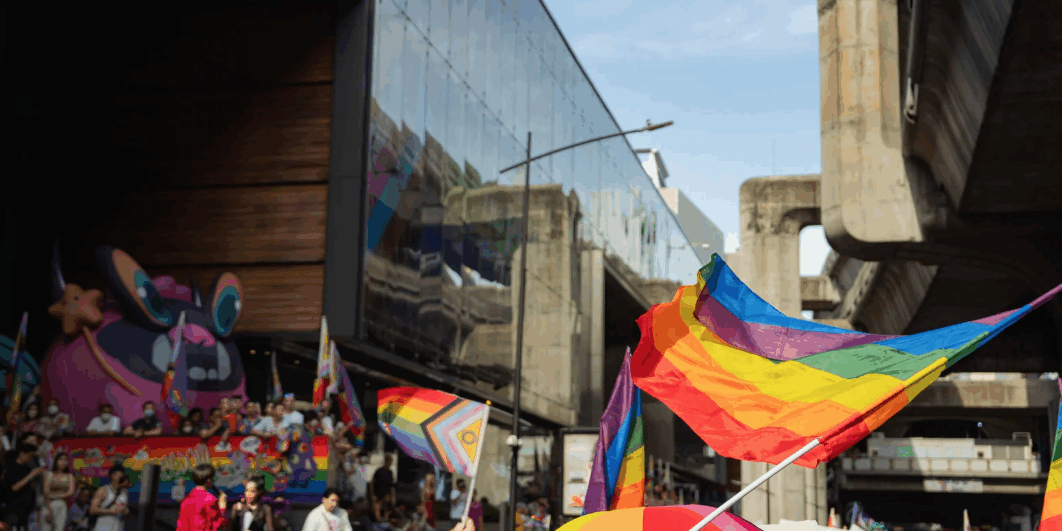
In June, the world turns its attention to Pride Month. A time to celebrate the beauty, strength, and diversity of the LGBTQIA2S+ community. While Pride parades and rainbow flags are joyful symbols of visibility and inclusion, Pride Month carries much deeper meaning. It is both a celebration and a call to action. It’s a time to honor the historical struggles and hard won progress of queer and trans people. Pride is personal. It’s about being seen, accepted, and loved for who you truly are. But for many in the LGBTQIA2S+ community, especially those who carry intersecting marginalized identities, living openly is not always easy. Pride Month is a reminder of the emotional labor, inner strength, and community resilience that make authenticity possible. And the importance of creating spaces where that authenticity can thrive.
The Roots of Pride
To understand Pride Month, we must remember where it began. Pride traces its roots to the Stonewall Uprising of June 1969, a pivotal moment in LGBTQ+ history when queer and trans patrons resisted police violence at the Stonewall Inn in New York City. Their bravery sparked a movement, laying the foundation for the modern fight for LGBTQ+ rights. Pride isn’t just about celebration, it’s about visibility in the face of erasure, joy in the face of trauma, and community in the face of rejection. It’s a declaration that LGBTQIA2S+ lives, relationships, and identities are worthy of dignity and love. That message matters now more than ever.
The Ongoing Struggles Beneath the Surface
While LGBTQIA2S+ rights have made great strides, many members of the community continue to face discrimination, marginalization, and violence. This includes barriers to healthcare, housing, and employment. As well as deeply personal challenges like family rejection, internalized shame, and limited access to affirming mental health care. Trans and nonbinary individuals, in particular, face disproportionately high rates of anxiety, depression, suicidal ideation, and interpersonal violence. Black and Brown LGBTQ+ individuals experience the compounded effects of racism and homophobia or transphobia. Often leading to feelings of isolation and disempowerment. Pride Month is not just about reflecting on what’s been won. It’s about committing to making the world safer and more compassionate for everyone, especially the most vulnerable among us.
Mental Health and the LGBTQIA2S+ Community
Mental health is deeply intertwined with identity and belonging. When people are not accepted for who they are, the psychological toll can be profound. Feelings of invisibility, anxiety, dysphoria, and unworthiness are not uncommon in individuals who have faced rejection or invalidation, especially in early life.
The journey toward self acceptance often involves unlearning harmful messages, healing from trauma, and reconnecting with one’s authentic self. Mental health care plays a critical role in this process. But finding a therapist who is not only competent but truly affirming of identities and lived experiences can be a challenge. For queer, trans, and non conforming individuals, therapy should be a refuge a space to explore identity, navigate relationships, unpack trauma, and build resilience without fear of misunderstanding or judgment.
The Power of Affirming Spaces
Affirming spaces aren’t just nice to have, they are life saving. When individuals find therapists, support groups, and communities that honor their identities and relationships, they experience a myriad of benefits. Including greater self esteem, lower rates of depression and anxiety, and a stronger sense of purpose and connection. These spaces allow people to process experiences unique to the community. Navigating gender transition, coming out, managing minority stress, establishing boundaries in nontraditional relationships, and healing from religious or cultural trauma. They also allow for growth in areas not defined by struggle, such as intimacy, pleasure, embodiment, and emotional expansion.
Pride as Healing, Pride as Resistance
For many, Pride Month becomes a healing ritual. An annual opportunity to reclaim what was once hidden or shamed. It is a time to honor the journey of becoming, the courage of authenticity, and the beauty of chosen family. But there’s also resistance. In a time when LGBTQIA2S+ rights are under threat in many parts of the world, Pride is a loud, colorful refusal to go back into the shadows. It’s a reminder that LGBTQIA2S+ people deserve not only to survive but to thrive.
Celebrate Who You Are With Thomas Rea
Whether you’re processing trauma, exploring your identity, or simply seeking a space where you can be yourself, Thomas Rea Therapy offers a supportive and affirming path forward. Thomas Rea is a Licensed Clinical Social Worker specializing in sex and relationship therapy with over 15 years of experience working with individuals and couples across the LGBTQIA2S+ spectrum. He brings warmth, directness, and deep clinical expertise to each session. Providing care that is sex positive, trauma informed, and grounded in lived understanding. Thomas Rea Therapy is a safe space for clients in kink, polyamorous, or consensually non monogamous relationships, as well as those navigating complex intersections of identity, mental health, and belonging. Whether you’re in the District of Columbia, Maryland, or Virginia, Thomas offers secure, compassionate therapy tailored to your needs. In a world where being yourself can still feel risky, it matters to have a therapist who sees you fully. This Pride Month, honor your story. Celebrate your truth. And if you’re looking for a place to heal, grow, and reconnect, contact Thomas Rea Therapy to begin your journey toward transformation!